A quiet drip can become a flooded floor, a cold house can become an urgent tenant call, and one overlooked repair can turn a promising rental property into an expensive headache.
Rental property maintenance matters because every unresolved issue can affect your investment, your tenants, your budget, and your peace of mind.
If you own a rental property in Puyallup, knowing how property managers separate emergency maintenance from routine property maintenance can help you stay ahead of costly repairs.
Here is how a professional workflow can protect your rental, enhance the tenant experience, and keep your investment moving in the right direction.
Key Takeaways
Emergency maintenance requires fast action for issues such as burst pipes, water damage, electrical hazards, and other threats to safety or the rental unit.
Preventative maintenance and regular inspections help you prevent minor issues from becoming costly repairs while keeping your property in top shape.
Professional property management companies can coordinate maintenance requests, vendor services, inspections, and lease responsibilities, and maintain detailed records so you can make informed decisions.
How Do Property Managers Handle Emergency Maintenance?
Emergency maintenance starts with one question: Could delaying this repair threaten someone's safety or cause significant property damage?
A burst pipe, a major water leak, an electrical problem, loss of essential heat, or a serious plumbing failure deserves immediate attention rather than waiting for a routine appointment.
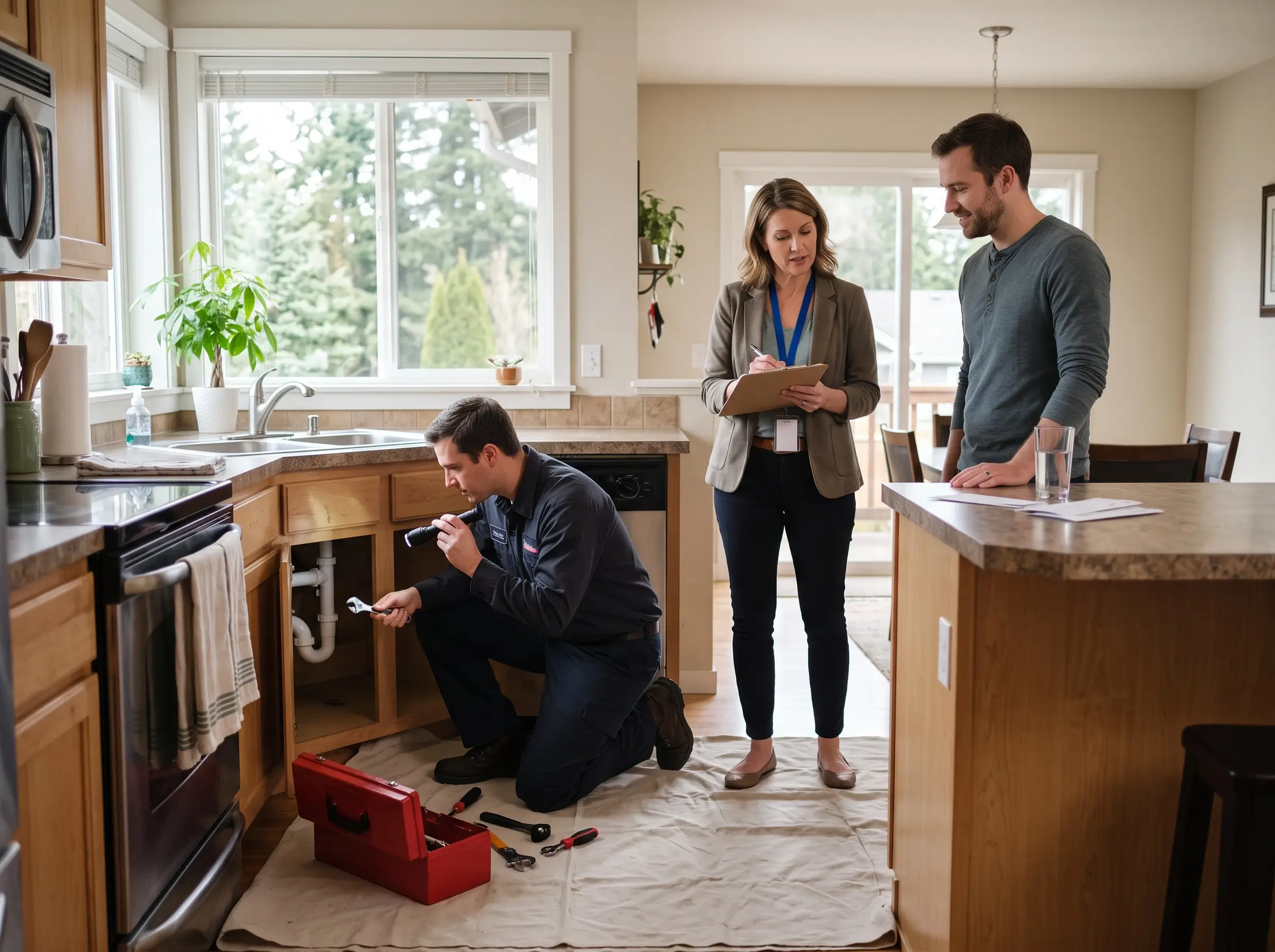
A professional property manager then follows a defined response process instead of reacting unthinkingly. The workflow may include receiving the maintenance request, assessing its urgency, contacting the appropriate vendor, communicating with the tenant, documenting the repair, and following up after completion.
What Counts as an Emergency Repair?
Not every dripping faucet requires an emergency call, but some problems can quickly become expensive or dangerous. Property managers typically prioritize issues involving safety, major water damage, electrical systems, essential utilities, or conditions that could worsen rapidly.
Common examples include:
Burst pipes or uncontrolled leaks
Electrical hazards or loss of essential power
Major water damage or flooding
Dangerous heating failures during severe weather
For you as a landlord, this prioritization creates an important business benefit: the right problem receives the right response. Acting quickly can help limit secondary damage, reduce disruption for renters, and protect the long-term value of your rental property.
How Do Property Managers Handle Routine Property Maintenance?
Routine property maintenance works differently because the goal is prevention rather than crisis response. Instead of waiting for tenants to report a broken component, your property manager can schedule inspections and recurring services to identify wear and tear before it leads to a costly repair.
A practical maintenance schedule can include:
HVAC and plumbing inspections
Electrical and appliance checks
Lawn mowing and exterior upkeep
Roof, drainage, and water-intrusion checks
For example, a small plumbing issue discovered during a regular inspection may require a simple repair today but could cause extensive water damage if ignored for months. Preventive maintenance, therefore, helps you control expenses, extend the life of critical systems, and keep a rental unit attractive to tenants.
Why Is Preventive Maintenance Important for Landlords?
Preventive maintenance gives you a way to stay ahead rather than constantly play catch-up. Regular inspections can reveal minor issues involving plumbing, heating, electrical systems, appliances, indoor air quality, or exterior areas before they interrupt a tenant's daily life.
That approach can make all the difference when you are managing a single-family home or several rental properties.
How Are Maintenance Requests Managed for Rental Properties?
Maintenance requests become easier to manage when tenants have a clear way to report problems, and you have a system to track what happens next. Instead of scattered texts, missed calls, and forgotten invoices, a centralized process creates accountability from the first report to the completed repair.
A strong maintenance workflow should:
Capture the tenant's description of the issue
Determine whether the request is routine or urgent
Assign the appropriate vendor or maintenance professional
Record the repair, cost, communication, and completion date
This process also improves the tenant experience. When renters know where to submit a request and receive timely updates, they are more likely to feel heard and cared for, which can contribute to stronger tenant satisfaction and retention.
How Do Lease Agreements and Local Regulations Affect Maintenance?
Your lease agreement should clearly establish maintenance responsibilities, reporting procedures, property access, and tenant obligations.
Washington law also imposes important maintenance duties on landlords, including maintaining structural components and ensuring that electrical, plumbing, heating, and other facilities are in reasonably good working order.
For Puyallup landlords, compliance also means paying attention to applicable local regulations and property maintenance requirements.
The City of Puyallup's Code Compliance Division enforces provisions related to property maintenance and public health and safety, while Washington law establishes specific timelines for landlords to begin addressing certain defective conditions after receiving notice.
Your property manager can help you stay organized around these responsibilities, but the goal goes beyond avoiding legal issues.
Proper documentation, inspection records, repair invoices, and tenant communications provide a clearer history of your investment and help you make informed decisions when addressing recurring problems.
Frequently Asked Questions About Puyallup Rental Property Maintenance
Q1. How can property owners keep new tenants happy?
Property owners can keep new tenants and existing tenants happy by making maintenance a top priority, responding quickly, and following a clear maintenance plan.
Q2. How should property managers handle security deposits and equal housing opportunity?
Property managers should document property conditions, handle security deposits consistently, and uphold equal housing opportunity practices to reduce the risk of disputes and legal consequences.
Q3. How often should property managers check common areas?
Managers should regularly check common areas because safety and cleanliness should remain a priority, helping protect residents and maintain the property.
Q4. Why should property owners hire a property management company?
When you hire a property management company committed to maintenance, you can understand the importance of proactive care, save time, and protect your rental investment.
From Maintenance Headaches to a Home That Holds Strong
At SJC Management Group, we believe good property management is about more than collecting rent; we protect your investment through maintenance and repairs, regular inspections, tenant screening, lease administration, rent collection, and detailed financial reporting.
Our Puyallup team coordinates maintenance requests with trusted vendors, provides 24/7 emergency maintenance response, and keeps you informed when your property needs attention.
We know that when your rental property is cared for, your investment has room to grow, your tenants have more reason to stay, and you have fewer fires to put out from a distance.
If you are ready to spend less time managing repairs and more time focusing on your investment, we invite you to connect with SJC Management Group and discover a property management approach built around protecting what you own.
Other Resources:
How to Handle Tenant Complaints in Puyallup with Care
Lighting Upgrades in Puyallup That Add the Most Value Before Renting Out Your Property